Chicken BBQ

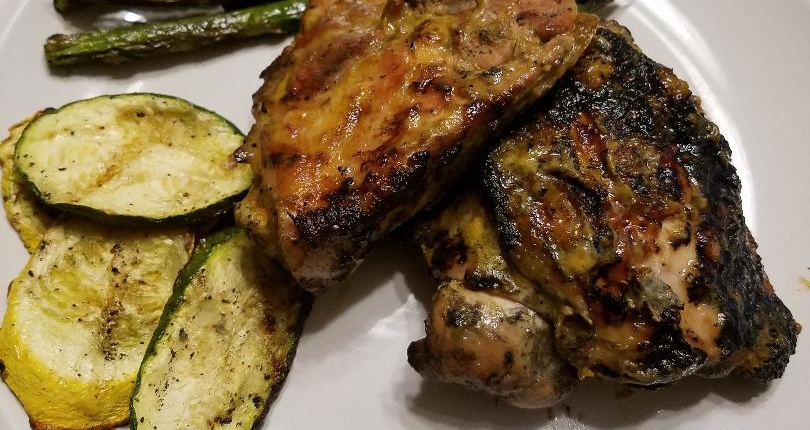
My daughter was visiting last week and sighed with delight as she gazed upon her dinner plate featuring chicken.  For this wasn’t any store-bought bird…this was Love Led Farm chicken, grilled  with the delectable glaze of my own Mustard BBQ sauce.  As an accomplished chef herself, it frankly “did my heart proud” to see her diving into her meal.

Perhaps that’s just the mother in me.  But then again, maybe it is due to the heavenly combination of pastured, gmo-free chicken (that actually tastes like real meat) and this very special sauce.

Hungry yet?

Good, because in less than a week, you can pick up your own Love Led Farm chicken.  Just click on the white chicken on our home page and place your order.

As for the sauce, there’s no need to wait.  Here’s the recipe, happily shared from my kitchen to yours.

Mustard Barbecue Sauce

1 Stick of butter

6 Tablespoons of yellow mustard

3 Tablespoons of Worcestershire Sauce

2 Tablespoons of Apple Cider Vinegar

1 Tablespoon of Sugar (You could substitute honey or an alternative sweetener)

A liberal dash of red hot sauce, adjusting to taste

Melt the butter in a small sauce pan over low heat.  Add the remaining ingredients, stirring carefully.  Bring to a boil; reduce the heat; and simmer for  a minute or two.

When I grill my chicken, I wait until the last 15 minutes to brush on this sauce.  I have also used this on roasted chicken, adding it about 30 minutes before my chicken has finished baking.

Happy Eating, Friends!  We look forward to your visit.

Warmly,

Eggonomics 101

I suppose I was like most Americans.  When we needed eggs, day or night, summer or winter, I made a trip to the glass-covered refrigerator near the back of my grocery store.  I didn’t think much about how those eggs got there in the first place.  Nor did I worry about their availability.  Then we bought our first chickens and I learned a few things.

Did you know?

-Unless chicks are desired, hens do not need a rooster to lay eggs.  God just created them to do their job…lay eggs.

-Hens do not lay an egg every day…their bodies simply are not designed to produce 365 eggs.  Even if they could, creating an egg is about a 26-hour process.

-For most birds, production is highest in spring and fall.  Heat, cold, and strange weather patterns throw them off course and can cause them to stop laying altogether.

It’s easy to understand why large egg producers turn to automated, highly controlled systems to provide American consumers with the vast quantities of eggs that are consumed.  For those who prefer local eggs from a smaller farm this may also help you understand why your farmer may simply say, “Sorry, I have no eggs today.”

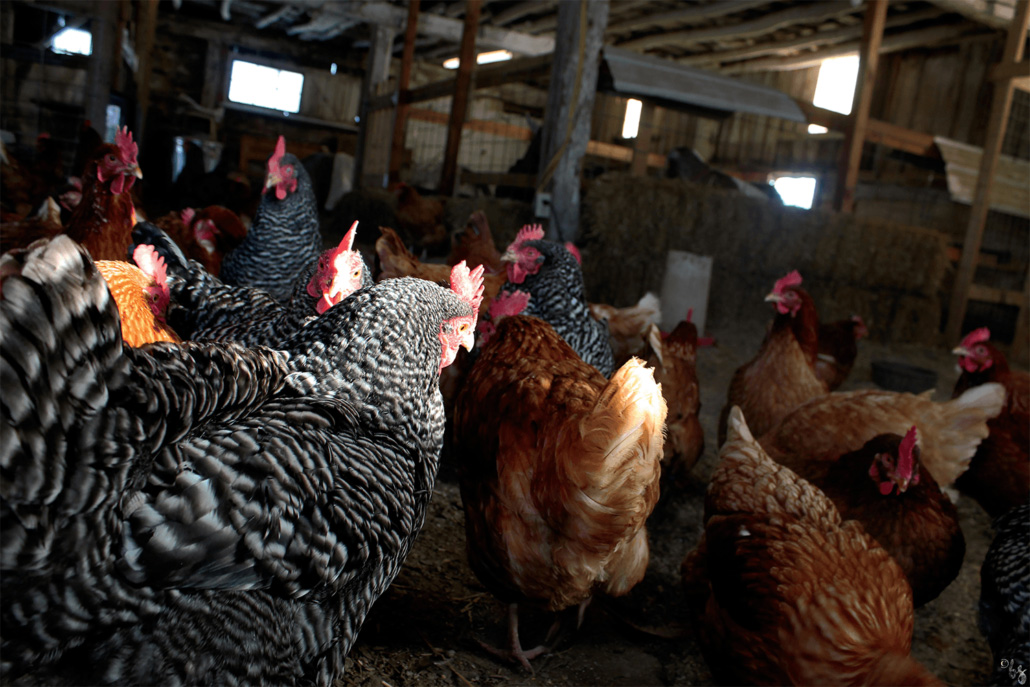
On Love Led Farm, we are entering our notorious summer “eggonomic slowdown.”  There are days when David and I sternly ask our hens, “Girls, where are the eggs?”  But although it is easy for us to grow impatient with our feathered friends, we are learning to adopt a more patient, understanding attitude.

For in nature, things work best when they are allowed to follow the plan designed for them.  And maybe when we do have the pleasure of eating a delicious free-range egg, we will more deeply appreciate what it took to appear on our plate.

Meanwhile…

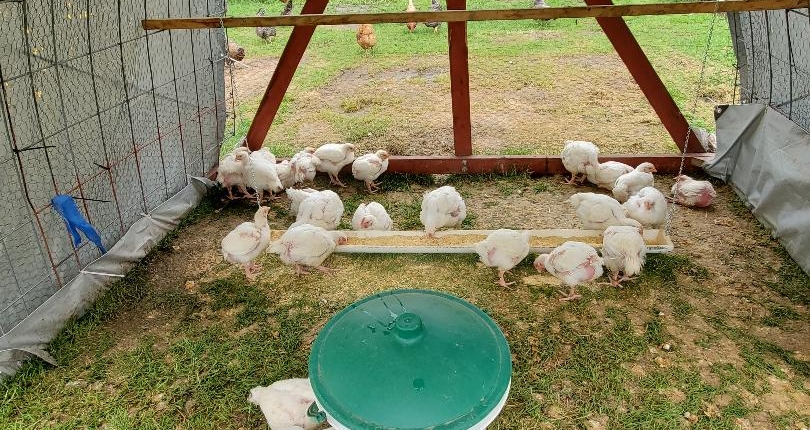
Our meat birds are looking mighty fine!  Our second flock of 100 chicks will arrive next week, and we will order the third flock next month.  If you haven’t placed your orders, you will want to get hopping.  Summer is flying by–don’t miss your chance to fill your freezer with our famous, Love Led Farm chicken.

Warmly,

Rainy Days and Sunshine

It rained again this morning, for the “bazillionth” time.  Okay, maybe that isn’t a word but once again, Allie and I sloshed our way through not-so-tiny rivers that are running all over the farm.  But in the past few days, there has been a difference.  Today the clouds unfurled, revealing blue skies and sunshine.  And here I sit in short sleeves and sandals, anticipating temperatures that promise to be comfortable.  Our cold spring is waving good bye and a warmer, friendlier summer is smiling at us.

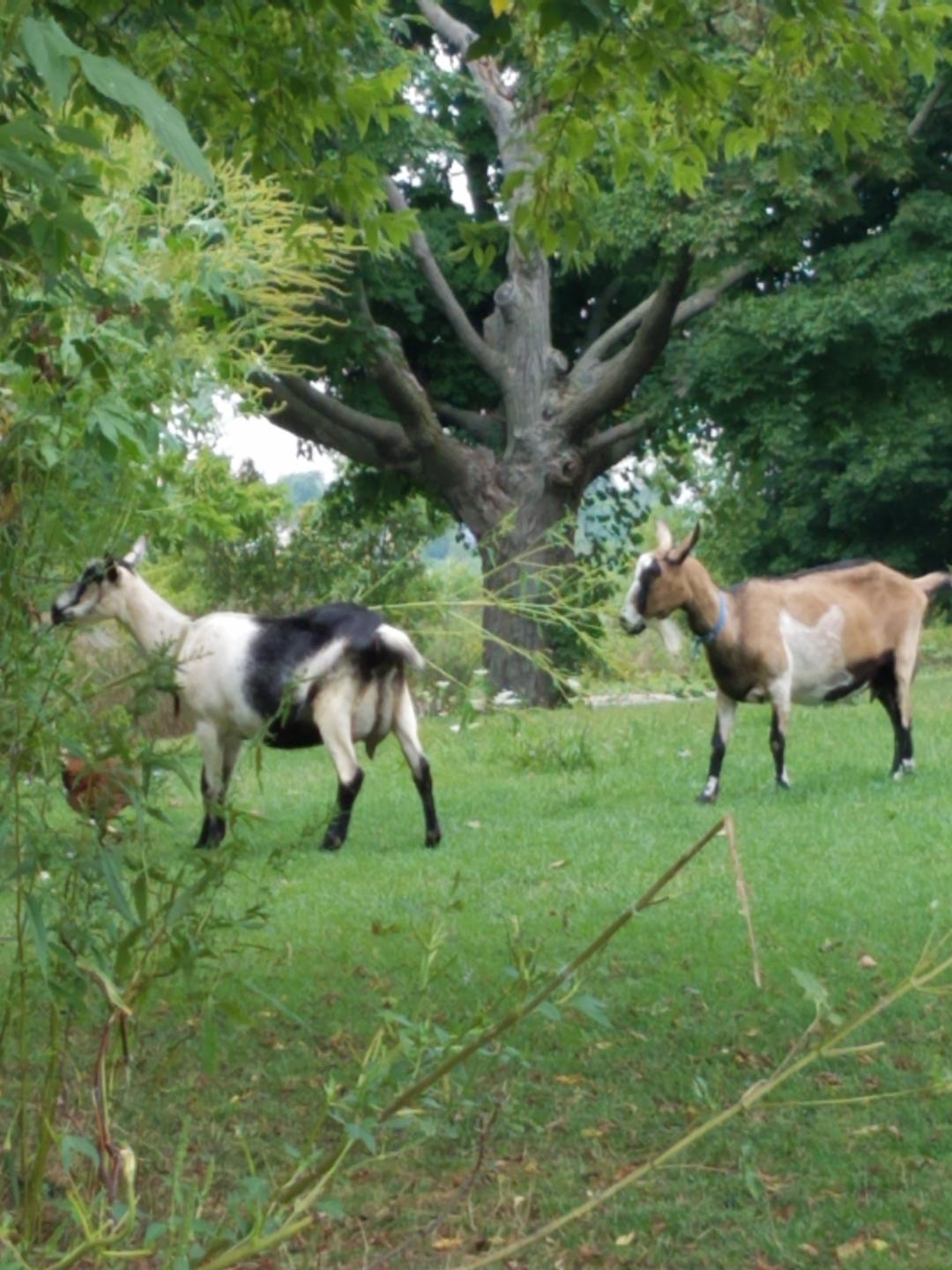
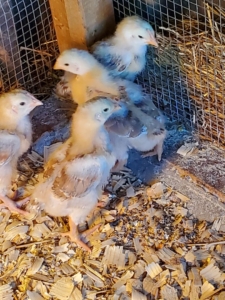
I do not believe I am the only one rejoicing.   Last night, the goats eagerly scampered up and down our hill, gobbling up the tall, sweet-tasting grass.  The hogs are creating new mud baths and are now more commonly found outside of the barn than in.  The sheep are more easily ushered out the door to spend the afternoon in the pasture, and the meat chicks are peeping their pleas to be allowed outside–very soon, guys, but first let’s see a few more waterproof feathers.

Almost ready for the great outdoors

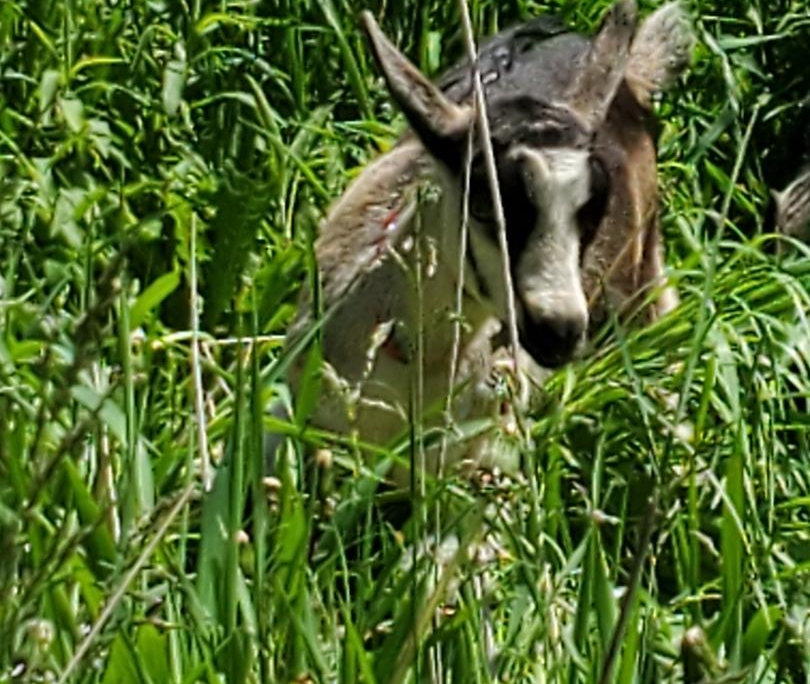
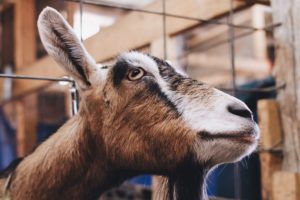
Lois learns about the sweet taste of spring grass.

I share all of this for fun and to remind you that as swiftly as summer approaches, it will be gone.  So before you pack that beach bag and camping gear, heed this gentle reminder:

Don’t forget to order your meat chickens.

We still have plenty but they will sell out quickly.  Whether for barbecuing this summer or soothing soup next winter, make sure your freezer is filled with the best free-range, gmo-free chicken you’ll ever taste.

And for a fun summer spot to bring your children, why not plan a visit to Love Led Farm?  Contact us, and we will be happy to arrange a friendly tour.

Enjoy the season, friends, and let us answer any questions you have about our farm and products.

Warmly,

Considering Goat Milk?

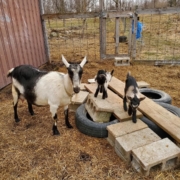
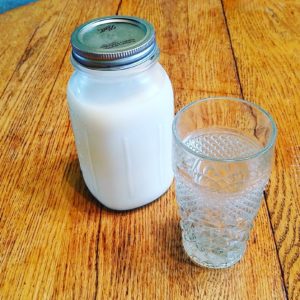
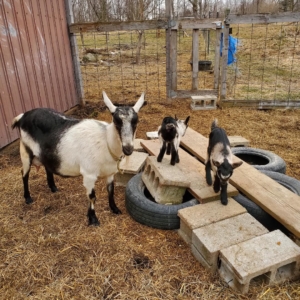
They’re here!  Two bouncing bundles of happiness were born a little over a week ago to Holly, Mama Goat.  And just like that, I breathe a sigh of relief and life gets busy.  Milking season has begun.
Goat milk...is it the right choice for you and your family?  In depth scientific information is not the purpose of my blog.  Other websites can provide those facts and figures.  I will say that one of the most helpful resources I have found is http://www.everything-goat-milk.com.  Among the many great recipes and ideas,  you will find two well-written articles on health and nutrition which will provide a wealth of information on the benefits of goat milk.

What I will do for you is share my personal experience.  As a child, ear infections, upper respiratory infections, and congestion were constant companions.  I had allergies and while I wasn’t really overweight, I always felt a bit chubby.  Some issues I grew out of, while others remained with me into adulthood.

Quite a few years ago, health professionals including my sister, began to draw the connection between dairy products and chronic illnesses such as allergies and inflammation.  Cindy’s whole family had trouble with dairy and they eliminated most of it from their diet.

Then I had a daughter who was born with an obvious lactose intolerance.  Being a nursing mom, rather than giving up breastfeeding, I chose to avoid all dairy.  Guess what?  Not only was she immediately more comfortable, but to my surprise I noticed that my own chronic congestion had significantly decreased.  I felt better than I could remember.  Except for cheese and occasionally ice cream, cow milk became history.

In the years to follow, I began reading about the human body’s ability to tolerate goat milk more readily than cow milk so by the time I began milking my own does, I was ready for the big test.  Would my health issues return?

The results?  No congestion.  No sinus issues.  Unexpectedly, I also found that on raw, full-fat goat milk my digestive system improved.  I lost weight, and my skin became healthier.

Now, I begin many days with home made goat milk yogurt (heavenly) and enjoy cold, sweet goat milk with my meals.  I use it in my coffee and culture it into a variety of cheeses.  And when I have to endure dry season before the new babies arrive, I can actually tell the difference in my body:  less energy, and I just don’t feel as good.

Once again, this was my personal experience.  Yours may be vastly different, so before you make the switch be sure to do your own research, especially if you have true milk allergies or will be giving it to young children. 

A personal tip?  when you do make the switch, take it slowly as your body learns how to metabolize the smaller fat molecules and new helpful enzymes.

Here are some other things to consider:

*Are you willing to drink raw milk or do you prefer it to be pasteurized?  Once again, research carefully.   There are pros and cons to both.

*If your choice is raw, make sure you understand your state’s laws regarding raw milk.  To obtain that information, take a look at Farm to Consumer Legal Defense Fund http://farmtoconsumer.org.   On their website you will find a helpful, interactive national map, called “Raw Milk Nation” that shows and explains each state’s regulations.  The map is often updated as states continually review and revise their laws.  Contact FCLD’s friendly, responsive staff for answers to any questions you have.

*The quality (and safety) of milk, especially raw, is based on these factors:  the environment and health of the goats; the diet of the goats; and the handling of their milk.  Before signing any agreement, visit the farm and ask questions.  Are the goats clean and housed in a healthy environment?  Are they given any hormones or medications that would affect the milk?  Are the goats regularly tested for mastitis and any other diseases?  What are they fed?  What about the milking station–is it clean?  What happens after milking?  How is the milk handled?  Are you responsible for cleaning and sterilizing your own jars?  If not, how are they cleaned?

*Ask to taste a sample of the milk.  Does it have an “off” odor?  Is the flavor too “goaty?”  Fresh, milk if handled correctly, will be very white and will taste sweet.  When kept cold, it should last at least a week before souring.

*Be prepared to abide by the rules.  Please do not ask the farmer to compromise on state regulations.  In Michigan, I cannot bring the milk to you and you cannot ever resell it.  Most farmers, including myself, work hard to gain respect from the state and from their community.  To be allowed to do what we love, our standards and practices must be above reproach.  Be a part of the solution, not the problem.

Goat milk...are you ready to try it?  I still have one or two herd shares available for 2019.  If you aren’t quite sure, ask me for a sample and by all means come and visit the babies.  They are pure happiness that we love to share!

Warmly,

Pig Tales

Oliver burst into our kitchen and flung his red and blue wallet on the countertop.  “Here’s all my money!” he triumphantly announced.  With those words, he carefully withdrew the dollars he had been earning and saving since last year.  It was more than enough, so we counted out the change and he tucked the $75 dollars he would need back into his wallet.  The Day was finally here!  It  was time to ride with Papa to the Farmer John’s house to choose and buy his new pig.

An hour later, an elated six-year-old returned and with Papa’s help, introduced this year’s pork makers to their new home.  Several hours later, Oliver’s parents convinced him that it really was time to go home and I assured him that he could visit and work with the pigs any time he wanted.  And he will be back…as often as he can talk a parental driver into making the trip.

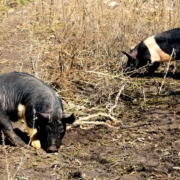
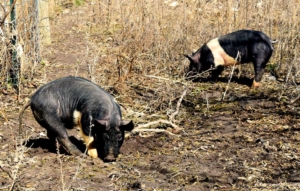
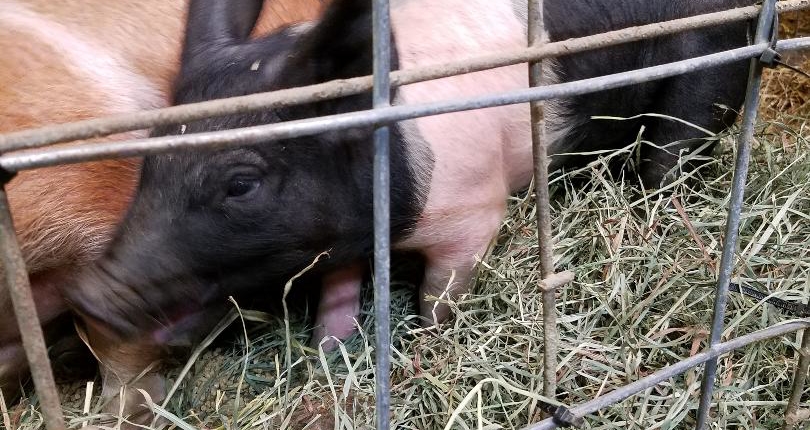
Our baby pigs have arrived!  And yes, they have names.  Oliver’s black hog is Noodle, Arya wanted to name hers Peppa–thankfully one just happened to be a girl–and a phone call later, we learned that Eisley wanted to name the third black and white one, Panda.  How appropriate!

Panda and Peppa

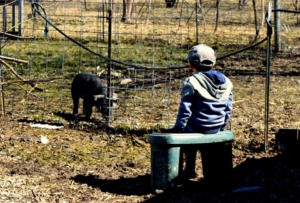
At Love Led Farm, we do things a bit differently.  Ignoring the advice to never name your animals, we choose to allow a more personal relationship–except perhaps with the chickens.  Each family member, down to the very youngest, knows that the purpose of our farm is to raise food for other people which means that most of the livestock will be gone by winter.  Still, we pet and talk to the lambs, leash walk the baby goats, and a certain little boy lives his summer climbing the fence and running through the pasture with his pigs.

Oliver and Noodle


At Love Led Farm we provide meat, eggs, goats for herd shares, and a memorable place for your family to experience and enjoy.  Visit us and let us know what we can provide for you.

Warmly,

Herd Shares Ahead

In less than a month, our quiet barn will be filled with the sounds of babies:  piglets, lambs, and kids–goat kids that is.   I promise to post pictures but for the next 2 posts, let’s talk about those goats.

After a rather tumultuous year, I ended up keeping only the 2 healthiest mama goats.  With the help of time and the advise of a seasoned Amish farmer, we solved a difficult barn problem and are eager to begin a fresh new year and a fresh new herd.  Both girls are due at the beginning of April which means their milk should be available to our farm friends around the middle of the month.

Does that mean you just can pull up to our farm store and grab a bottle?   Well, not exactly.

In Michigan, folks like you are able to “own” milk by sharing my goats with me through a herd share.

Here’s how it works:  You sign two contracts.   The first says you are buying part of a goat, the second agrees that I will perform the duties of caring for and milking your goat.  What you get from this deal is a weekly share of milk.  Here’s the technical information:

Under Michigan’s policy, established in 2013 by the Fresh Unprocessed Whole Milk Workgroup, there must be a dated, written contract between me and each shareholder that covers at least these key points:

  • We must be able to directly communicate at any given time.
  • The milk can only come from our farm, and shareholders must come to the farm for their milk.
  • I am not required to be licensed and the state does not inspect our farm.  In return, the contract covers only the raw milk.
  • The milk cannot be sold to a third party.
  • Our contract cannot in any way imply the sale of milk but must be written in a way that indicates the milk is already owned by the shareholders–they are just picking it up.

So, what if you have heard and studied the many benefits of fresh, delicious goat milk but are skeptical of its taste?  Oh, I can certainly help with that!  Just ask, and I will gladly give you a sample to try.

In my next post, we’ll dig a bit deeper into goat milk.  Why in the world would you choose it over cow milk?  What should you consider before signing those contracts?  Join me for that discussion, but in the meantime, if you have any interest in a herd share, go ahead and contact me–they are limited in number and will go quickly.

Warmly,

Getting Through Winter Means Planning for Spring

As I told you before, Winter and I don’t exactly get along.  By last November, I had already saved a Spring Countdown Calendar on my computer just for the blissful assurance that, “this too shall pass.”

Thankfully, in February another calendar speeds Winter right along:  Spring Planning.

In March, the piglets and lambs will arrive.  On April 1st, the does are both due to give birth.  The barn will be bouncing with babies!  Milking and cheese making will resume.  By May, the first 100 meat bird chicks will arrive and it will be time to start planting the garden.

Hmm, I might actually enjoy these last few weeks of winter rest!

So what does all of this mean for you?  It’s time for you to start planning, too!  Are you thinking of fresh meat, eggs, and milk?  I can help with that!

Since they will arrive first, let’s talk about hogs today.  We start them in March and butcher in the fall, just when you are filling your freezer. Our precious piggies are fed plenty of fruits, vegetables, and goat milk and are handled with the kindest of care.  The result is excellent, tender meat without an over abundance of fat.  You will work directly with Byron Center Meats to create a package that is perfect for your needs.  Imagine reaching into your freezer next winter for chops, ribs, a roast, or a pound of bacon because you planned ahead.

We sell our hogs by the whole, half, or quarter and we purchase our piglets according to the number pre-ordered by our friends and customers.  Don’t miss out!

For more information and to reserve yours, simply call, text, or email.  Then when they arrive, why not plan a visit to meet your very own pig ? How fun is that?!

Thinking about farming for friends like you warms my heart!  And that puts some Spring into any cold Winter day.

Warmly,

Robin


The Fragrance of Lamb Stew

The forecast is ominous:  an Arctic air mass is about to descend, straight from the North Pole, bringing the coldest temperatures we have had all winter and that should kick up lake effect.  A term quite familiar to West Michiganders, it simply means “Snow.”

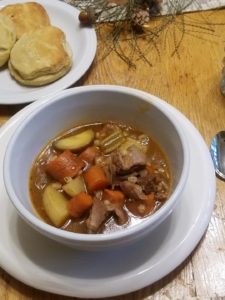
With dinner in mind, I think about soups and stews.  Which one will warm the body and feed the soul?  It needs to be something fragrant, delicious, and you know me by now, boring will never do.  So I walk to the freezer, pull out a package of lamb stew meat and with a few magical ingredients, turn it into something that rises to the occasion.   How am I able to do this?  Simple.  Last summer we raised a freezer lamb from which I can now create any number of flavorful dishes.  And you know what?  Three other customers are doing the same thing with lambs that we raised just for them.

Does this leave you longing for lamb yet?  Good, because it’s time to start thinking ahead.  We are ready to starting counting our sheep–at least those we will be raising this year–and we would love to raise one for you.

The process is simple. Contact me and pay your deposit which covers my purchase of your lamb.  I will raise and graze it for you.  In September, you pay the butchering costs and the balance of my fee (based on price per pound, hanging weight, according to current market prices), and pick up your meat.  You will work directly with the butcher to create a freezer-ready package that is perfect for you and your family.  Just imagine:  American, grass-fed, lamb in your own freezer!  How nice is that?

I’m sure you have questions, so be sure to contact me either by email or phone call.  Just remember that we start our lambs by the end of March–a date that will be here sooner than you think. In the meantime, just to tempt you further, here’s the recipe I discovered from American Lamb’s website for the most delicious lamb stew we’ve ever tasted.


Guinness and Lamb Stew

Ingredients

2 pounds American Lamb stew meat, cubed
Salt and pepper, to taste
2 tablespoons all-purpose flour
2 tablespoons canola oil, divided
2 leeks, chopped (white and light green parts only)
1 yellow onion, chopped
1 tablespoon chopped fresh thyme
2 tablespoons tomato paste
12 ounces Guinness®
3 cups water
3 Yukon Gold potatoes, chopped

Directions

Season lamb with salt and pepper; toss with flour. In a pot over medium-high heat, brown the lamb in 1 tablespoon oil for 8 minutes, stirring occasionally. Remove lamb from pot. Add 1 tablespoon oil, leeks, onion and thyme; cook until leeks are soft, 4 minutes. Stir in tomato paste; return lamb to pot. Add Guinness and water; bring to a boil. Reduce heat and simmer for 1 hour, stirring occasionally. Add potatoes; cook until lamb and potatoes are tender, 1 to 1-1/2 hours longer.

Stay warm and happy eat.  Spring is on its way!


The Road Ahead

Welcome Friends, to a brand new year!  As I write this, the sun is shining in a clear, blue sky and the trace of snow that we had has melted away.  What a wonderful way to begin 2019!

It would be easy to share an exciting assortment of ideas and plans for Love Led Farm with you today.  But not yet.  This year, David and I have chosen to begin with a new approach….one of preparing our hearts before our land.  And so, laying plans for the farm aside, we are beginning with a season of prayer for what God desires–first for us and then for His farm.

In the meantime, I encourage you to begin your own year in a thoughtful, prayerful fashion.  Before the making any resolutions, ask which ones He wants you to make, and then prepare to hold His hand as He leads you along the path.  The answers may surprise you by taking  you where you never thought you would be. But the path will be the right one because it has already been designed just for you.

Where will the road take us?  In the weeks and months to come, I will share that with you, for I think we have already been given some clues.  Better find your barn boots…you are going to want to come along, too!

Warmly, Robin

Chilly Days

Winter arrives tonight with a forecast of snow.  Sounds like it’s time for some chili.

When it comes to chili, some like it hot, some like it not!  Personally, I like chili with flavor.  Red chili is certainly delicious and some day I will share my recipe.  But today, let’s try something different.

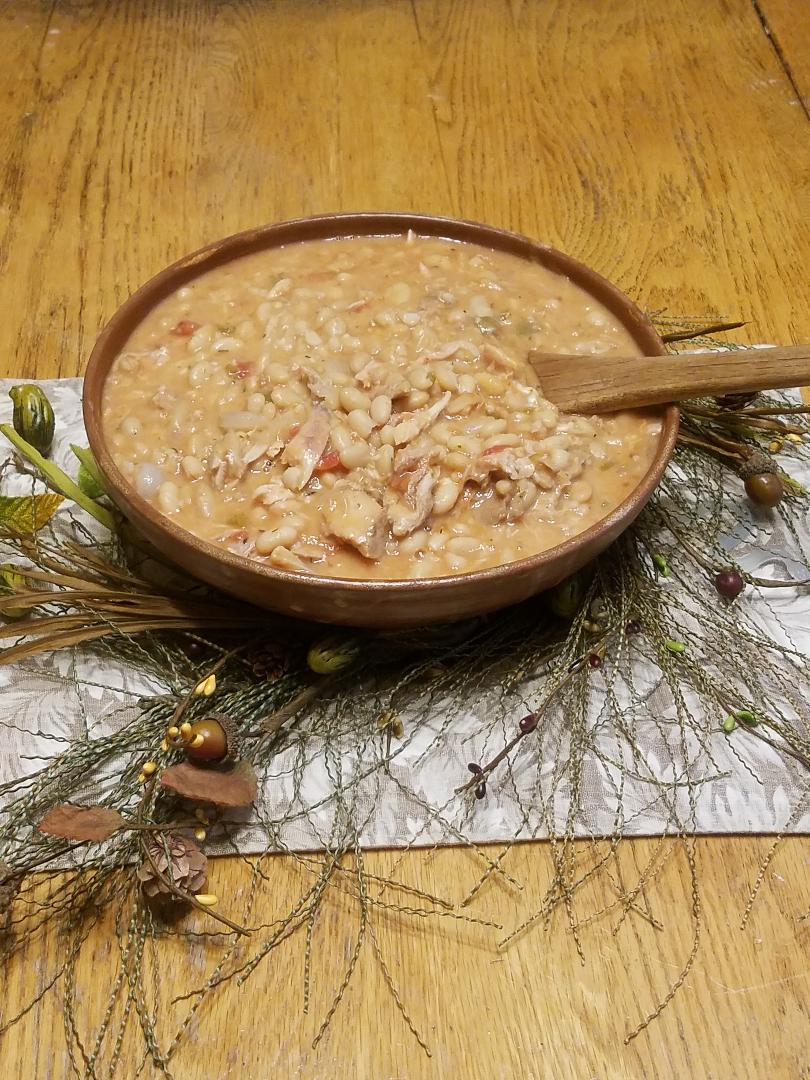
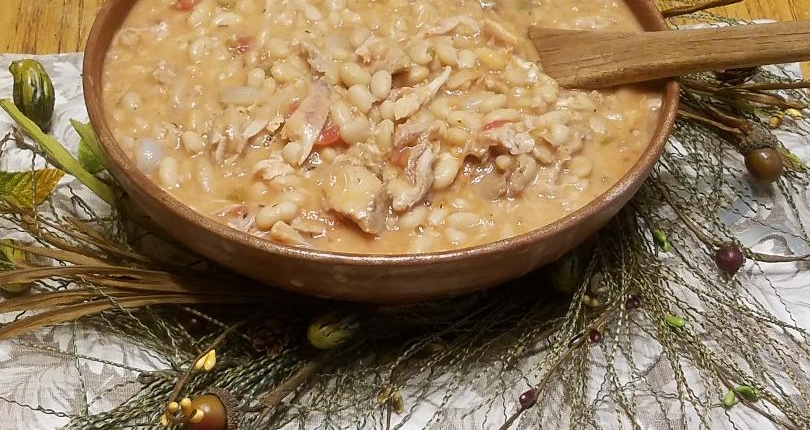
Spicy White Chili is made with leftover chicken and lots of cheese.   It’s so easy!  Imagine its aroma coming from your crockpot at the end of a long, cold day–and the flavor!  This dish will quickly become a family favorite.

Slow Cooker Spicy White Chili

What You Will Need:

4 cups of leftover chicken

1 48-oz jar of Randall’s Navy Beans (you’ll find this in the canned bean section)

8 oz. salsa (I use a medium, chunky style)

2 tsp. cumin

2 cups shredded Monterrey Jack cheese

How to Make It:

Combine the first 4 ingredients in a crock pot and cook on low 4-6 hours.  Add the cheese 30 minutes before serving–just long enough for it to melt.  Stir thoroughly to combine.

Makes 4-6 bowlfuls.

Terrific Tips:

*I used leftover turkey in the last pot that I made.  It was delicious–a great way to use up some of the Big Bird this month.

*Randall’s makes an organic version of their Navy Beans–just as good, and better for you.

*For a complete meal, serve with tortilla chips, salsa, and a salad.