
Goose Eggs: An Adventure in Eating

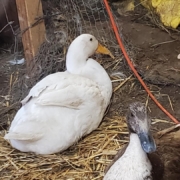
Georgia, Cucumber, and Pickle
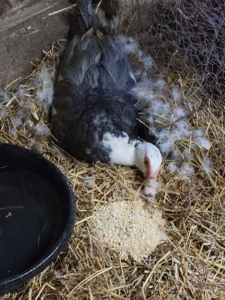
A few years ago, my grandson began his campaign to add a goose to our growing menagerie. My hesitation centered around visions of customers being chased back to their cars by territorial birds. When Oliver pled for me to save a gentle giant who was temporarily living at Grandpa Schoenborn’s farm, I knew I had been beaten. I mean, how does “Ma” say no to that? George arrived at Love Led Farm.
Imagine my surprise when George began building a nest and laying eggs! Quickly and conveniently, we changed her name to Georgia. She really is a nice gal, but goose eggs?
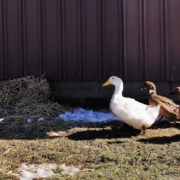
A year or two later, I was told of two more female geese who were available. Living at the Critter Barn, they were driving the staff and visitors crazy with their noise. Cucumber and Pickle (also females) became members of our Goose Guardian Patrol. In charge of varmint control, the three girlfriends roam freely in and behind the barn away from customers. My added bonus? More goose eggs!
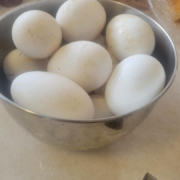
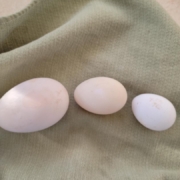
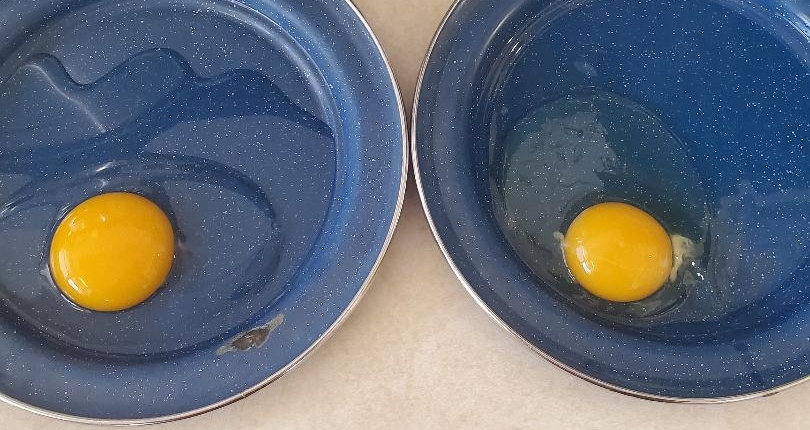
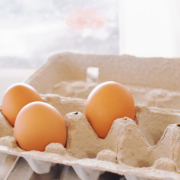
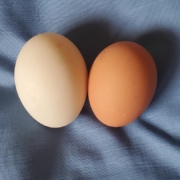
Geese are seasonal layers. From February thru May, they produce eggs that are easily the size or 2 or 3 chicken eggs. With a minimum of 40 eggs apiece, that became a lot of “What do I do with these”? It was time for some research and kitchen trials.
First, I found out that goose eggs are highly nutritious. High in protein (12-14 g), they contain all the essential amino acids needed for good health. Their fat (13-20g) is high in Omega 3’s; they are low in carbs (1-1.5 g); rich in B vitamins (especially B12); and high in Vitamins A, D, and E. They are packed with minerals: chlorine, selenium, iron, potassium, and phosphorus. They provide trace minerals like zinc, copper and magnesium. Sounds like a health-lover’s powerhouse, right?
The cautions have to do with their high cholesterol (over 800 mg) so you might not want to eat a whole one every day. Also, goose eggs should be cooked to a temperature of 160 degrees or higher, so they are not suitable for dishes or dressings calling for raw egg yolks.
So, what do you do with a goose egg?
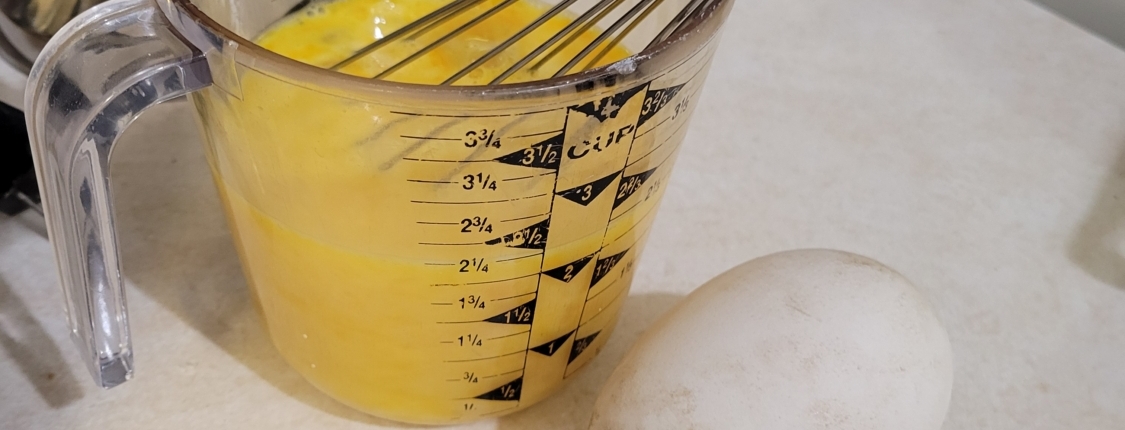
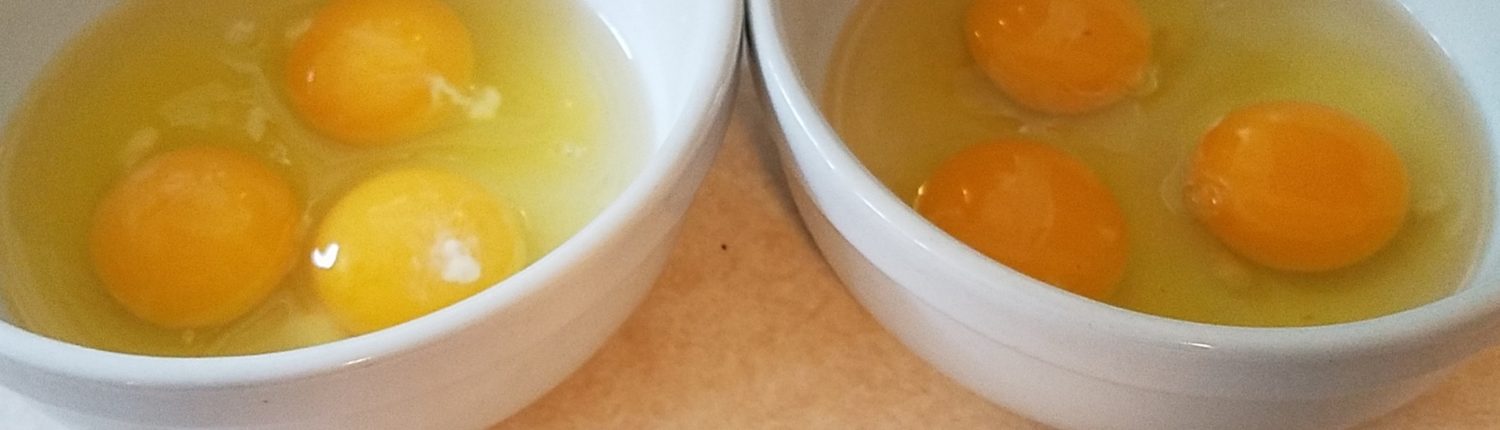
One whisked egg
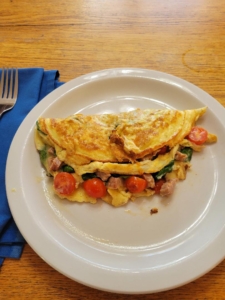

Here are a few suggestions.
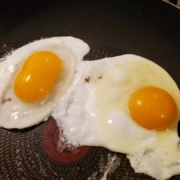
- Make an Omelet. As I said, one egg is equivalent to 2-3 chicken eggs. Fill it with spicier ingredients like sausage, cheddar cheese, peppers, spinach, tomatoes, etc. and you will have a nutritious meal big enough for 1 or 2 people.
- Make an Egg Casserole. I use 3 well-scrambled eggs to make a dish large enough to last for several days. Easily reheated in the microwave, a slice satisfies my husband from morning until noon. Again, you will want to add ingredients that contribute zesty flavors.
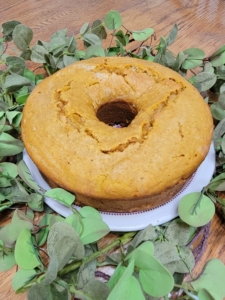
- Try baked goods that beg for richness and structure. Last week, I made pumpkin bread. My recipe called for 4 chicken eggs, so I used 1 goose egg and 1 chicken egg. The bread was dense, and moist; the flavor was delicious. I plan to make more for the freezer. I did learn to whisk my goose egg thoroughly before adding it to the batter. This avoids the stronger “eggy” taste of goose eggs.
- Make pasta or gnocchi. Cooks prize goose eggs as star ingredients in rich, golden pastas. This is my next test trial–I’ll post my results.
- Make Custard. I haven’t tried this, but I’m told that goose egg custard is delicious.
By searching, “Cooking with Goose Eggs,” I found several excellent sites with tips and recipes. It turns out that cooking with goose eggs isn’t as strange as it seems.
Are you ready to experiment? For the remainder of March, I will be happy to give you a free goose egg just for fun. Then, if you want more, I’ll sell them by the egg. Check our shop or website for pricing, and remember, these are seasonal–available until mid-May.
If you try one, let me know of your results. It is fun to hear of your cooking adventures using our products.
As always, feel free to contact me for questions, comments, and suggestions. Supporting local small farms like ours are journeys that we make together, even when trying goose eggs.
See you again soon, on Love Led Farm.